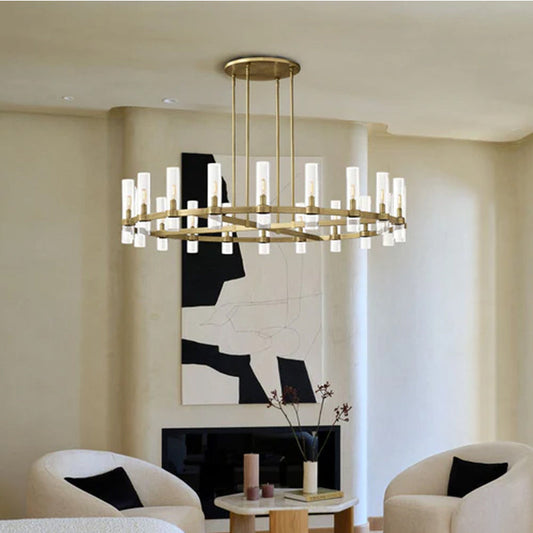
Why Are Natural Stone Chandeliers So Popular Right Now?
Chandeliers have always been a sign of high style in homes. They started as practical lights but now grab everyone's attention. In many U.S. homes, a natural stone chandelier is the centerpiece, not just a light fixture.
The trend in luxury lighting is moving towards organic and natural looks. This is because people are drawn to the warmth and structure that stone brings. It looks great in open spaces and high ceilings.

Homeowners are looking for pieces that will last a long time. A timeless chandelier design is seen as a valuable heirloom, not just a fleeting trend. Stone lighting fixtures fit this bill with their durability and unique beauty.
There's also a smart investment in choosing natural stone chandeliers. As valuable minerals become scarcer, the value of certain stones may go up. So, picking a natural stone chandelier is like investing in lasting beauty.
What’s Driving the Natural Materials Trend in Lighting Design
Lighting trends in the U.S. have changed quickly. Now, people see a chandelier as both beautiful and functional. This shift leads to a preference for softer textures and more genuine surfaces.
Natural material lighting is key in this change. It smooths out sharp edges, adds warmth to open spaces, and makes homes feel cozy. It also makes luxury lighting feel more personal than just flashy.

From utility to centerpiece: chandeliers as the primary aesthetic anchor
Before, ceiling fixtures were just about light. Now, they're often the first choice for setting the room's mood. A bold chandelier can transform a room more than a new rug or paint.
Modern luxury lighting is becoming bolder in design. People want a statement piece that adds purpose to a room. In many homes, a designer chandelier is the key that ties everything together.
Embracing natural and organic materials for warmth and authenticity
Organic design brings a sense of comfort. Designers mix rattan, jute, raw wood, and stone to add depth to spaces. This creates a cozy, grounded feel that's different from a showroom look.
Stone lighting fixtures add a touch of elegance. Their natural patterns and colors make each piece unique. This fits well in both coastal and contemporary styles.
Why “natural material lighting” fits modern luxury lighting in real homes
Natural materials create a softer light. Curved shapes and diffused shades make evening light more gentle. This is why luxury lighting is turning organic.
Sustainability is also a factor. Many makers use eco-friendly materials like bamboo and reclaimed wood. This makes modern luxury lighting not only stylish but also responsible.
- More impact from one change: a chandelier resets the room’s visual center.
- More warmth through texture: natural surfaces balance crisp geometry.
- More ease in daily life: softer glow supports relaxed routines.
Natural stone chandelier, Alabaster chandelier, Luxury dining room chandelier
A natural stone chandelier can change a room's feel in seconds. It offers a soft glow that feels cozy and thoughtful. In many U.S. homes, it's seen as a meaningful design choice, not just a fleeting trend.

Why alabaster’s soft diffusion creates a calm, elevated ambiance
An alabaster chandelier is often picked for its calming effect. It softens light, making shadows less harsh. This can make a dining area feel more relaxed, even on busy nights.
Alabaster's natural variations make each light panel unique. This adds depth to the light, preventing it from feeling dull. Such a detail can transform a room's atmosphere.
How marble and alabaster deliver a “timeless chandelier design” look
A marble chandelier adds a sleek, architectural vibe, while alabaster is softer and creamier. Both are timeless because they blend classic elegance with modern simplicity. Today's designs often focus on clean lines, letting the stone's beauty shine.
Stone lighting fixtures also complement current trends like honed finishes and warm metals. Their natural textures and subtle variations make them sculptural yet understated. This balance is why they're popular in new homes and renovations.
Where these stone lighting fixtures make the biggest impact in U.S. interiors
In dining rooms, a luxury chandelier becomes the centerpiece for meals and gatherings. It frames the seating area and sets the room's mood. In homes with high ceilings, stone fixtures add structure, making the space feel more grounded.
- Dining rooms: A centered stone fixture creates a clear focal point and a softer mood at eye level.
- Entryways: A marble chandelier can add instant polish, even with simple walls and natural wood nearby.
- Kitchen islands: Smaller stone lighting fixtures can warm up hard surfaces like quartz, tile, and stainless steel.
Sculptural Statement Lighting Is Having a Moment
Sculptural ceiling pieces are now seen as décor, not just hardware. A statement chandelier can set the mood and guide the layout. It makes a room feel complete. This change is a big part of modern luxury lighting, where form is as important as function.
Geometric forms and bold symmetry: lighting that doubles as functional art
Clean lines, sharp angles, and balanced circles bring order to open spaces. Designer chandelier lighting shines here, as the structure looks like art even when off. In luxury lighting, symmetry makes light feel calm and even.
Abstract and asymmetrical designs that create movement, shadow play, and drama
Asymmetry adds energy. Irregular armatures, offset globes, and organic metalwork create tension. The light lands in layers, creating shadow play on ceilings and walls.
These pieces often use hand-forged shaping and precision bending. This allows for small changes in angle and spacing. In a modern stone chandelier, varied veining and a soft glow show this idea.
Oversized forms that anchor open-concept living rooms and dining spaces
Scale is key, even in large U.S. homes with double-height ceilings. An oversized chandelier can anchor a seating area like a large rug. Wide drum shades and tiered forms spread light evenly for a soft glow.
For a cohesive look, match size to furniture and keep clear sightlines. Modern luxury lighting works best when it feels centered and deliberate. If you want warmth with a bold silhouette, a modern stone chandelier can offer that balance.
Why Stone Feels Like “Quiet Luxury” in Modern Interiors
Quiet luxury focuses on materials. It values touch, tone, and simplicity over details. Natural stone adds a touch of elegance to rooms without being too loud.
Natural veining and one-of-a-kind variation that reads as high-quality chandelier craftsmanship
Stone is never mass-produced. Its unique veining, color shifts, and mineral marks make each piece special. This natural beauty often signals top-notch craftsmanship, even in simple designs.
A marble chandelier is a perfect example. It adds depth and weight, but it's the surface that speaks. This results in luxury lighting that's calm, not flashy.
Balancing minimalism with richness: refined texture without visual clutter
Minimal interiors can feel warm with the right texture. Stone lighting fixtures add a subtle contrast to smooth surfaces. This creates a curated look, not a cluttered one.
Stone also complements timeless chandelier designs. Instead of bold shapes, the stone's pattern and glow carry the style. It's a mix of richness and restraint.
How stone lighting fixtures pair with warm metals, mixed finishes, and contemporary palettes
Today's luxury lighting often combines finishes for a unique look. Think polished nickel with antique brass, or matte black with warm bronze. These combinations highlight the fixture's structure and keep it from feeling heavy.
Room-by-Room Styling Ideas for Stone Chandeliers
A modern stone chandelier does more than light a room. It sets the mood, defines the space, and connects finishes. In most homes, stone lighting fixtures look best when they feel intentional, not random.
Luxury dining room chandelier placement and hanging height for comfortable sightlines
A luxury dining room chandelier works best as the room’s main visual anchor. Place it over the table, not the room, so it feels right even when chairs move.
For easy conversation, keep sightlines clear across the table. Hang it low enough to feel intimate but high enough that no one has to lean around it. With a heavier stone silhouette, double-check the ceiling box and mounting hardware before install.
Statement chandelier for living room: creating a focal point without overpowering seating layouts
In an open plan, a statement chandelier for the living room can “hold” the seating area like a rug. Sputnik and globe shapes spread light in many directions, avoiding dark corners near sofas and reading chairs.
To keep the look calm, match the fixture’s scale to the coffee table and seating width. If the room already has bold art or a strong fireplace wall, choose designer chandelier lighting with cleaner lines and softer diffusers. This way, the space won’t feel crowded.
Kitchen islands and long tables: when linear or multi-drop modern stone chandelier styles work best
Over islands and long tables, a linear chandelier is popular for a reason. The elongated shape tracks the surface below, and integrated LED options give even light from end to end.
Look for slim suspension cables or a simple downrod to keep the profile tidy. Finishes like matte brass or powder-coated steel pair well with stone. Frosted glass diffusers help cut glare on polished counters. Multi-drop stone pendants can also work, as long as spacing stays consistent and the light pattern feels balanced.
Craftsmanship, Materials, and What “High-Quality Chandelier” Really Means
In a world full of similar items, a high-quality chandelier stands out. It has perfect proportions, clean lines, and materials that last. A natural stone chandelier is even more special because each piece is unique.
Material selection and careful refinement: why natural stone requires precision
Working with stone is challenging. Makers carefully choose each piece for its thickness, color, and pattern. This ensures the final product looks cohesive.
Even small details are important. Clean edges, consistent polish, and secure mounting points prevent damage. This is true for both stone and gemstone chandeliers.
Modern construction details to look for in designer chandelier lighting
Quality in designer chandeliers often lies in the unseen details. Look for tight tolerances, straight lines, and durable hardware. These features show the craftsmanship and attention to detail.
- Sturdy canopy and strain relief for stable hanging
- Even stone spacing so the silhouette stays clean from every angle
- Finish consistency across metal and fasteners for a seamless look
Lighting performance: achieving soft ambient glow versus directional task light
Luxury lighting is about more than looks. It's about how it performs. Shades are designed to soften light, creating a warm glow. This is perfect for dining and living areas.
On the other hand, linear chandeliers focus on bright, direct light. They're great for kitchens and workspaces. Modern lighting also aims to be energy-efficient. LED bulbs save energy and keep the light consistent.
How Natural Stone Compares to Other Popular Chandelier Styles Right Now
Today, lighting styles vary widely, each conveying a unique message. A natural stone chandelier exudes a sense of solidity and calm. It is often chosen for its architectural feel and steady glow, fitting well in many U.S. homes.
Organic materials like rattan and jute versus stone: texture, weight, and visual presence
Rattan and jute chandeliers offer a warm, coastal vibe. These materials are often woven by hand, giving the fixture a light yet crafted feel.
Stone, on the other hand, presents a more substantial look. It carries visual weight, even with simple designs.
- Fiber weaves soften brightness and cast gentle patterning on walls.
-
Stone shades feel more solid, with a cleaner edge and a quieter surface.
Updated crystal waterfall looks versus stone: sparkle vs. glow
An updated crystal chandelier is all about shimmer. Modern designs use precision-cut crystals in waterfall or linear rows, often with LED lights for extra sparkle without heat.
Stone, by contrast, offers a steady glow. It provides mineral depth and a soft light that's perfect for any time of day.
Industrial matte black and ring fixtures versus stone: contrast, mood, and architecture
An industrial chandelier focuses on structure and outline. Matte black chandeliers, made from powder-coated or blackened steel, absorb light and hide fingerprints. They look sharp against white ceilings or exposed beams.
Ring fixtures take this graphic look further with clean circular shapes for balanced light. Next to these, a natural stone chandelier brings warmth and less contrast, creating a cozy atmosphere.
Nanhuaju’s Point of View on Timeless Stone Chandeliers for Real Homes
Nanhuaju was founded with a deep respect for light, material, and thoughtful design. The brand sees lighting as more than just a utility. A well-made fixture can shape mood, soften edges, and give a room its sense of character.
Today, the market values pieces that do double duty. A chandelier is expected to act as the primary anchor while delivering usable light. In this context, a natural stone chandelier fits the shift toward sculptural forms and warm, tactile surfaces in modern luxury lighting.
Nanhuaju focuses on natural materials, refined with clean lines and careful proportions. An alabaster chandelier is chosen for its gentle glow and calm diffusion. A marble chandelier brings depth through veining and weight, so it reads as collected, not trendy.
That’s also where lasting value comes in. Stone is rare, selected with care, and meant to age well in a lived-in space. When you invest in a high-quality chandelier built around a timeless design, it stops feeling like seasonal décor. It starts feeling like part of the home.
FAQ
Why are chandeliers considered a centuries-old symbol of elevated interior design?
Chandeliers started as practical lights in grand homes. Over time, they became a dramatic focal point. Today, they're chosen for their presence and illumination.
Why does a natural stone chandelier feel specially current in U.S. homes right now?
Chandelier tastes change over time. Natural stone chandeliers are current because they add warmth and texture. They fit the trend towards nature-inspired interiors.
What’s driving the natural materials trend in lighting design?
Designers are using organic materials like rattan and stone. This adds character and authenticity. It creates a more inviting atmosphere.
Why do homeowners want statement lighting that feels like a “treasured heirloom”?
Lighting is now seen as more than just light. Homeowners want a chandelier that feels lasting and personal. Stone's durability makes it a good choice.
How does mineral-based décor connect to a luxury or investment mindset?
Natural materials signal enduring value in luxury design. As valuable minerals become rarer, their value increases. This makes mineral décor seem like a lasting investment.
Why is organic lighting associated with a calmer ambience?
Organic fixtures use softer forms and light. This creates a calm atmosphere with gentle glow and shadow play. It makes rooms feel welcoming.
Are organic chandeliers more sustainable than other styles?
Many organic chandeliers are sustainable, using materials like bamboo and reclaimed wood. While sustainability depends on sourcing, organic design often aligns with responsible choices.
Why is an alabaster chandelier considered ambience-first?
Alabaster chandeliers are prized for their soft, calming glow. They create a serene mood in modern interiors. This makes them perfect for setting the atmosphere.
How do marble and alabaster create a timeless chandelier design?
Stone has a classic language that doesn't need extra decoration. Modern stone chandeliers refine scale and form. This makes them timeless.
Where do stone lighting fixtures make the biggest impact in a home?
Stone lighting fixtures are strongest in key areas like dining tables and entryways. In dining rooms, they become the centerpiece, adding elegance.
Why are chandeliers now treated like a true art form?
Today's chandeliers use bold shapes and materials. This turns lighting into sculptural décor that anchors a room's identity. Changing the chandelier is a major update.
What defines the abstract and asymmetrical chandelier trend?
Look for irregular shapes and organic metalwork. These designs create dynamic light patterns and shadow play. They're often hand-forged and assembled with precision.
Why are oversized chandeliers popular for open-concept and double-height spaces?
Oversized chandeliers add drama and help distribute light evenly. They create a soft ambient glow, making large spaces feel welcoming.
Why does stone read as “quiet luxury” in modern interiors?
Stone's veining and tonal shifts communicate quality without extra ornament. This creates a refined and confident look, not loud.
What signals a high-quality chandelier in stone or mineral-based designs?
High-quality chandeliers start with careful material selection. They have disciplined build quality and clean finishing. These details make them a true investment.
How do stone chandeliers pair with mixed metals and modern finishes?
Stone's natural pattern adds depth without clutter. Mixed metals like polished nickel and antique brass add sophistication. This is common in modern homes.
How should a luxury dining room chandelier be placed for comfort and sightlines?
The chandelier should be centered over the table, scaled to the tabletop. Hanging height affects conversation comfort and eye lines. It should feel like the centerpiece without blocking faces.
What’s the best approach to a statement chandelier for a living room?
In living rooms, the chandelier should anchor the seating area without overpowering it. Sputnik and spherical styles work well, providing light and geometry. It should feel intentional from all angles.
Why are linear chandeliers so common over kitchen islands and long tables?
Linear chandeliers match rectangular surfaces with clean geometry. They use LED modules for even light distribution. They're practical for task zones and have a minimalist-luxury look.
How do stone fixtures differ in lighting performance from other chandelier types?
Stone, like alabaster, is chosen for its glow and atmosphere. It creates soft ambient light. Linear LED fixtures focus on uniform, directional illumination for work surfaces.
How does rattan or jute compare to stone in a chandelier?
Rattan and jute are durable, flexible fibers, often handwoven. They diffuse light softly and are sustainable. Stone is more architectural, with stronger visual presence.
How do modern crystal waterfall chandeliers compare to stone?
Crystal waterfall designs use precision-cut crystals for sparkle. They have integrated LEDs for efficiency. Stone offers a softer, more architectural glow.
How do industrial matte black or ring chandeliers compare to stone?
Industrial matte black and blackened steel focus on silhouette and structure. They absorb light for contrast. Stone adds warmth and depth, creating a natural-material presence.
What is Nanhuaju’s point of view on stone chandeliers for real homes?
Nanhuaju values light, material, and thoughtful design. They treat lighting as a way to add character and soul to a space. Their stone chandeliers are timeless, refined, and meant to be lived with.