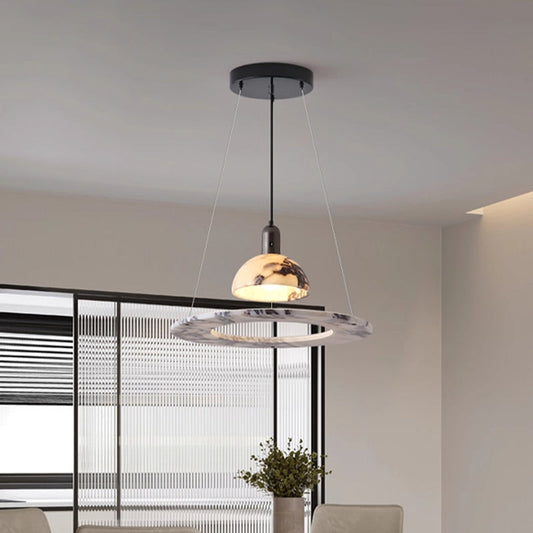
Chandelier vs Pendant Lights: Which Works Better in Open-Plan Homes?
In many U.S. homes, the kitchen, dining area, and living room are now one big space. This design looks open and inviting. But, choosing the right lighting can be tricky.

Pendants focus light downwards, perfect for tasks like cooking and reading. Chandeliers, on the other hand, spread light and serve as a focal point. They help create a sense of balance in open-plan homes.
A single pendant can add a touch of elegance, while a chandelier can dominate the space. The key is to find lighting that enhances the room's functionality.
Why open-plan home lighting is harder than it looks
In an open layout, the kitchen, dining, and living areas share one sightline. This makes open-plan home lighting tricky. One bright choice can wash out the whole space, while a dim corner can make everything feel flat. Great lighting for open concept homes guides how you move, gather, and unwind—without a single wall doing the work.

Open layouts need lighting to define zones without walls
Think of each fixture as a quiet boundary. In modern open-plan lighting, you’re shaping “rooms” with light, not drywall.
- Kitchen: pendant lights over the island spotlight prep and visually mark the work zone.
- Dining: a chandelier centered over the table creates a natural anchor and a welcoming glow.
- Living: floor and table lamps soften seating areas, making them feel cozy and easy to rearrange.
When these layers line up, statement lighting for open spaces feels intentional instead of random.
Layered lighting basics: ambient, task, and accent
The strongest lighting for open concept homes starts with layers that do different jobs. Ambient light sets the baseline, so the space feels even and comfortable.
- Ambient lighting: recessed lights, flush mounts, or a statement chandelier to spread light across the footprint.
- Task lighting: pendants over islands plus under-cabinet lighting for counters and clean-up.
- Accent lighting: wall sconces, table lamps, or LED strips under shelves to add depth and warmth.
This mix keeps modern open-plan lighting bright where you work and calmer where you rest.
How dimmers help shift the mood from cooking to relaxing
Dimmers act like a simple mood switch across open-plan home lighting. Turn things up for chopping, reading recipes, and cleaning, then ease the levels down for dinner and conversation.
For gatherings, dimmers let statement lighting for open spaces stay bold without overpowering the room. The result is lighting for open concept homes that adapts in seconds, while the layout stays beautifully open.
Pendant lights in open concept homes: targeted task lighting with flexible style
In big, connected homes, light does more than look good. It guides you through the day. Pendant lights are perfect for this, shining light exactly where you need it.
They support modern lighting and make each zone clear. They also fit well with layered lighting plans, not just one overhead light.

What a pendant light is and why it delivers directed illumination
A pendant is a hanging light with a cord, chain, or rod. It uses a single light source close to the surface. This makes the light focused and useful.
In open layouts, this focused beam is a big plus. It gives you task lighting where you need it, adding style in shared sightlines.
Best-use areas: kitchen islands, work surfaces, reading nooks, and bedside setups
Over kitchen islands, pendants create a bright lane for cooking. They also define the kitchen area, even without walls.
They shine above desks and worktables, controlling glare and providing steady light. In reading nooks, one pendant spotlights a chair and table without flooding the area.
For bedside setups, hanging pendants free up space and keep essentials within reach. Near entryways, a single pendant softens the corner and makes it feel intentional.
Popular pendant styles for modern open-plan lighting: mini, multi-light, drum, globe, cluster, industrial, Art Deco
Style ties your whole plan together. For open-plan homes, these shapes match your finishes and furniture, staying practical.
- Mini pendants for clean lines, often used in rows
- Multi-light pendants that spread light from one canopy over a larger surface
- Drum pendants for a calm, tailored look; a drum pendant also pairs well with softer textiles
- Globe styles that diffuse light; a globe pendant can feel airy in glass, with frosted options
- Cluster groups for height variation and visual movement
- Industrial profiles in metal for edge and contrast
- Art Deco forms for bold geometry and polish
Finish choices help the mix feel curated. Oil-rubbed bronze, satin nickel, and frosted glass are popular for keeping the look cohesive in busy spaces.
When to group pendants: rows and clusters to cover larger surfaces
Grouping is the easiest way to scale pendants up for real life. A row over a long island keeps illumination even, so every prep spot gets the same clarity.
Clusters work when you want a sculptural moment but need coverage. Many pendants use one bulb, so grouping creates multiple bulbs in the same space, boosting brightness.
If you’re coordinating with designer chandelier lighting, match by finish or shape. This balance helps modern open-plan lighting feel collected, not copy-and-paste.
Chandeliers in open-plan homes: ambient glow and statement lighting for open spaces
In an open-plan home, light does more than just brighten a spot. It must tie the layout together and make each area clear. A luxury chandelier offers a wide, welcoming glow and adds personality overhead.
A chandelier is a decorative ceiling fixture with multiple arms or branches holding several bulbs. This design spreads light across a larger area than most single drops. It naturally becomes the focal point, making it perfect for designer chandelier lighting.
What a chandelier is
Chandeliers spread light in several directions, making them great for ambient lighting. This soft, room-filling light is perfect for connected kitchens, dining areas, and lounges. With the right dimmer and bulb warmth, it can be calm at night and crisp during busy times.
Where chandeliers shine
A dining room chandelier above the table acts as an anchor for the eating area. It makes the table feel like its own space, even when the kitchen is nearby. Hang it centered to the tabletop for balance.
A living room chandelier can define the seating group, even in large or shared spaces. In tall foyers, it turns vertical space into a feature. Just remember to keep clearance near stairs and tall paths.
Chandelier styles that fit open plans
- Sputnik forms for mid-century energy and wide spread
- Tiered silhouettes for dramatic height and layered sparkle
- Drum shades for a clean, modern edge
- Candelabra arms for a classic look that can feel fresh
- Contemporary profiles with sleek lines and minimal detailing
- Rustic looks in wood, wrought iron, or antler-inspired forms
- Traditional designs with ornate presence and refined curves
Finishes can also set the mood. Antique bronze adds depth, polished chrome is crisp, and copper brings warmth that complements wood floors and stone counters.
Why chandeliers read as more decorative and room-defining than most pendants
Chandeliers are statement pieces for open spaces because of their scale and structure. They pull the eye upward, creating a centerpiece effect. This helps a big room feel organized, not scattered. When chosen carefully, designer chandelier lighting becomes a visual anchor, making styling the rest of the plan easier.
Lighting for open concept homes: Chandelier vs pendant lights, Luxury chandelier
In open-plan homes, every light fixture has to do more. It must guide the eye, support daily activities, and keep the space calm. When choosing between chandeliers and pendant lights, consider the design and the room's mood.
Design & structure: single-source pendants vs multi-light chandeliers
Pendant lights hang from a cord or rod with a single shade. They offer a modern look and keep the space open.
Chandeliers, with their multiple arms and bulbs, add a sculptural touch. They're perfect for making a statement in open spaces, even in modern homes.
Size and scale: compact fixtures vs statement pieces for larger footprints
Pendants are small and fit well in tight spaces. They can be lined up to look neat over long surfaces.
Luxury chandeliers are big and make a statement in large rooms.
Function: task-perfect pendants vs more ambient chandelier illumination
Pendants are great for focused light, perfect for tasks like reading or working. They reduce shadows on important surfaces.
Chandeliers provide ambient light and add beauty to a room. They often mean choosing between focused or ambient light, with dimmers and lamps filling in the gaps.
How to choose by ceiling height, room scale, and installation realities
Choosing the right lighting for open-plan homes starts with measuring. You need to know the ceiling height, room size, and where people walk. This approach makes lighting feel calm and organized, not chaotic.
Ceiling height guidelines: keeping head clearance while preserving visual impact
In big rooms with tall ceilings, a large chandelier can be impressive and safe. For dining areas, choose a height that lets you see across the table. This keeps the room feeling open and inviting.
For rooms with lower ceilings, smaller pendants or chandeliers work better. The goal is to keep paths clear while defining each area with a focal point.
Weight matters: chandeliers are often heavier—use a mounting box rated for the fixture load
Before picking a chandelier, check the ceiling's strength. Many chandeliers are heavier than they look. So, the mounting box and support must handle that weight.
Good lighting in open-plan homes is both beautiful and practical. It must be safe, stable, and built to last.
Number of lights and brightness planning for big, connected spaces
In connected spaces, one light is rarely enough. Plan for different types of light: ambient for the whole area, task for specific tasks, and accent for depth.
- Chandeliers spread light with multiple bulbs, which can help anchor dining or living zones.
- Pendants can be grouped to scale brightness along an island or a long counter run.
- Wall and floor lamps can soften edges so the space doesn’t feel overlit.
When the light output matches the space, your open-plan home feels balanced from kitchen to living area.
Bulb considerations: LED efficiency and keeping consistent color temperature across zones
LED bulbs are energy-efficient and produce less heat. They also help keep your lighting consistent, even with different fixtures.
Choose one color temperature for all zones, even if you mix fixture types. This consistent tone makes your lighting look intentional and cohesive.
Create cohesion across kitchen, dining, and living zones without “matching sets”
In open-plan homes, the goal is to create a smooth flow, not to match everything. This approach keeps the lighting in your open-plan area calm and balanced, even with different zones.
Unifying finishes
Choose one main metal finish and use it throughout. Matte black, brushed brass, and polished nickel are great choices. They look clean and work well in bright, open spaces.
For more character, pick finishes from the same family. Antique bronze, polished chrome, and copper can add richness without being too busy. In kitchens, oil-rubbed bronze and satin nickel work well with appliances and cabinets.
Coordinating shapes
When choosing between chandeliers and pendant lights, shape matters. If your kitchen has globe pendants, choose a dining chandelier with similar shapes. This keeps the look consistent across the open plan.
For a sharper look, match clean lines with clean lines. Think slim rods, crisp shades, and simple shapes. This approach creates statement lighting that feels thoughtful, not overwhelming.
Mixing materials thoughtfully
Material choice shows your personality. Mix smoked glass with opal glass, then add linen shades to the living area. This combination keeps glare down and adds comfort.
Drum shades can soften the dining area, while glass globes brighten the kitchen. This mix supports designer chandelier lighting without making everything look the same.
Balancing ambient vs task vs accent lighting
Begin with a base: recessed lights, a flush mount, or a chandelier for ambient light. Then, add pendants and under-cabinet lighting for task light where you prep.
Finish with accent layers: wall sconces, table lamps, floor lamps, or LED strips under shelves. These add depth and warmth at night. A bold pendant can serve both function and style, adding flair without overwhelming the space.
Nanhuaju natural stone chandeliers as a grounded focal point in modern open-plan lighting
In an open-plan home, lighting does more than just look good. It must also bring order to the wide, shared space. Nanhuaju believes lighting shapes how a home feels and functions. It combines craft, materials, and daily use into one clear focus.
A natural stone chandelier can be that focus with quiet strength. Nanhuaju designs each marble and alabaster chandelier to feel grounded, not heavy. This makes the room calm and intentional. In a connected kitchen-dining-living layout, it defines a zone without walls.
Shape is important, too. A rectangular chandelier follows the lines of a dining table or long island. A round chandelier softens a seating area and pulls people in. With warm stone texture overhead, the light feels more lived-in, even in clean modern spaces.
For open-plan cohesion, details are key. Pair a Nanhuaju luxury chandelier with consistent metal finishes across the room. Keep bulb color temperature steady from task lighting to ambient glow. This creates one flowing plan where every zone feels connected yet distinct.
FAQ
In open-plan home lighting, when should I choose a chandelier vs pendant lights?
Choose pendant lights for focused light, like over kitchen islands. Chandeliers are better for a decorative glow in dining or living areas.
What’s the real difference between a pendant and a chandelier in an open concept home?
Pendants are single fixtures for direct light. Chandeliers are multi-arm, multi-light, and act as a centerpiece.
Why is lighting for open concept homes harder than it looks?
Open layouts need lighting to define areas. Fixtures must guide the space's use while looking unified. This is harder than traditional rooms.
What does “zone-first” lighting mean for modern open-plan lighting?
Zone-first lighting plans by area function first. It uses layered lighting for brightness and balance. Coordinated finishes and dimmers help connect the space.
How do I define zones without walls using statement lighting for open spaces?
Use fixture placement to mark zones. Hang pendants over kitchen islands for prep areas. Center a chandelier over dining tables for a welcoming glow. Use floor and table lamps for cozy seating areas.
What is layered lighting, and why is it the foundation of open-plan success?
Layered lighting combines ambient, task, and accent lighting. Ambient sets brightness. Task lighting supports work. Accent lighting adds depth and warmth.
How do dimmers help in open layouts where rooms blend together?
Dimmers adjust light levels for different activities. They help adapt spaces for various uses without changing fixtures.
Where do modern pendant lights work best in open concept homes?
Pendants are great for focused light. They work well over kitchen islands, work tables, and in reading nooks. They also soften entryways.
What pendant styles are most popular for modern open-plan lighting?
Popular styles include mini, multi-light, drum, globe, and cluster pendants. These styles keep a modern look while adjusting brightness (2Modern).
When should I group pendants in rows or clusters?
Group pendants over long islands for consistent light. Clusters create a sculptural moment and extend light.
What finishes look best for pendant lighting in open-plan homes?
Oil-rubbed bronze, satin nickel, and frosted glass are popular. These finishes can echo nearby hardware, creating cohesion.
What is a chandelier, and why does it feel more like a centerpiece?
Chandeliers are decorative fixtures with multiple arms and bulbs. They draw the eye upward and spread light, ideal for large spaces.
Where do chandeliers shine in open-plan homes?
Chandeliers anchor zones like dining and living areas. They also look striking in foyers, as long as they fit the space.
Which chandelier styles work best for open-plan spaces?
Styles like Sputnik, tiered, and drum chandeliers fit modern interiors. Choose one that matches the room's purpose (2Modern).
What chandelier finishes help create a luxury chandelier look without breaking cohesion?
Finishes like antique bronze and polished chrome are strong choices. Repeating a finish across fixtures keeps the look cohesive.
Can chandeliers and pendants both be “modern,” or are chandeliers mainly traditional?
Both can be modern. Today's chandeliers and pendants come in sleek designs. Choose based on the zone's function .
How do I choose fixtures based on ceiling height and clearance in an open-plan home?
Consider head clearance and circulation. Chandeliers work best in large rooms with high ceilings. Foyers need careful planning for chandelier placement.
Are chandeliers harder to install than pendants?
Yes, chandeliers are often heavier. Make sure your ceiling box can handle the fixture's weight. This may require an upgraded box (Second source).
How do I plan brightness in a big, connected open concept layout?
Use a mix of ambient, task, and accent lighting. Chandeliers provide broad light, while pendants can be grouped for focused light.
Should I use LED bulbs for open-plan lighting, and how do I keep the look consistent?
LED bulbs are energy-efficient and common in pendants. Keep color temperature consistent across zones for a cohesive look.
How can I create cohesion across kitchen, dining, and living without matching sets?
Use shared elements, not identical fixtures. Choose one core metal finish and echo it in zones. This creates a cohesive look.
How do I coordinate shapes across zones, like a rectangular chandelier or a round chandelier?
Match the home's visual rhythm. Use globe pendants in the kitchen and a round chandelier in dining. Linear lighting works well in kitchens.
What materials help soften and balance light across an open plan?
Mix materials with intention. Use smoked glass, opal glass, and linen shades for warmth. Drum shades and glass globes control diffusion.
Can pendant lights be designer lighting in an open plan without overwhelming the space?
Yes. Pendants can add decorative impact while staying functional. Scale and placement are key.
How do Nanhuaju natural stone chandeliers fit into modern open-plan lighting?
Nanhuaju believes lighting shapes a home's feel and function. Chandeliers, as centerpieces, organize open layouts.
Why choose a marble chandelier or alabaster chandelier for statement lighting in open spaces?
Natural stone chandeliers bring elegance and a timeless look. They pair well with consistent finishes and shapes for a luxury effect.